This is default featured slide 1 title

Go to Blogger edit html and find these sentences.Now replace these sentences with your own descriptions.This theme is Bloggerized by Lasantha Bandara - Premiumbloggertemplates.com.

This is default featured slide 2 title

Go to Blogger edit html and find these sentences.Now replace these sentences with your own descriptions.This theme is Bloggerized by Lasantha Bandara - Premiumbloggertemplates.com.

This is default featured slide 3 title

Go to Blogger edit html and find these sentences.Now replace these sentences with your own descriptions.This theme is Bloggerized by Lasantha Bandara - Premiumbloggertemplates.com.

This is default featured slide 4 title

Go to Blogger edit html and find these sentences.Now replace these sentences with your own descriptions.This theme is Bloggerized by Lasantha Bandara - Premiumbloggertemplates.com.

This is default featured slide 5 title

Go to Blogger edit html and find these sentences.Now replace these sentences with your own descriptions.This theme is Bloggerized by Lasantha Bandara - Premiumbloggertemplates.com.

Showing posts with label symptoms. Show all posts

Monday, January 18, 2016

Symptoms of skin cancer and its prevention

Symptoms of skin cancer and its prevention


Skin cancer occurs when skin cells are damaged, for example, by overexposure to ultraviolet (UV)radiation from the sun

Every year, in Australia:

skin cancers account for around 80% of all newly diagnosed cancers

between 95 and 99% of skin cancers are caused by exposure to the sun

GPs have over 1 million patient consultations per year for skin cancer

the incidence of skin cancer is one of the highest in the world, two to three times the rates in Canada, the US and the

Incidence and mortality

Two in three Australians will be diagnosed with skin cancer by the time they are 70.


Over the past decades, the incidence of skin cancer has risen in Australia. From 1982 to 2010 melanoma diagnoses increased by around 60%. From 1998 to 2007, GP consultations to treat non-melanoma skin cancer increased by 14%, to reach 950,000 visits each year.

Non-melanoma skin cancer is the most common type of skin cancer. This type of skin cancer is more common in men, with almost double the incidence compared to women. Over 434,000 people are treated for one or more non-melanoma skin cancers in Australia each year.


Excluding non-melanoma skin cancer, melanoma is the third most common cancer in both Australian women and men, and the most common cancer in Australians aged 15-44 years. In 2011, 11,570 people in Australia were diagnosed with melanoma.

In 2012, 2,036 people died from skin cancer in Australia. The majority of these deaths were due to melanoma, with 1,515 deaths from melanoma that year, compared with 521 deaths from non-melanoma skin cancers. The five-year relative survival rate for melanoma is 90% for Australian men and 94% for Australian 

Symptoms and diagnosis

The sooner a skin cancer is identified and treated, the better your chance of avoiding surgery or, in the case of a serious melanoma or other skin cancer, potential disfigurement or even death.

It is also a good idea to talk to your doctor about your level of risk and for advice on early detection.

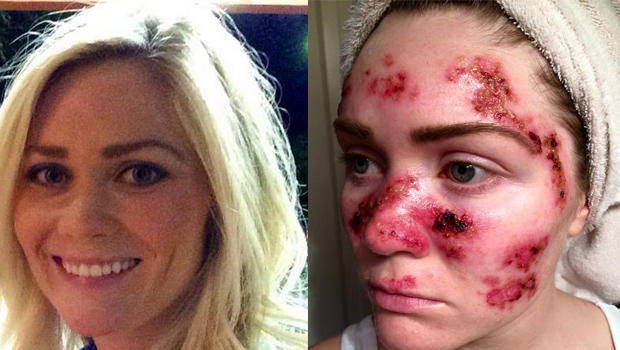
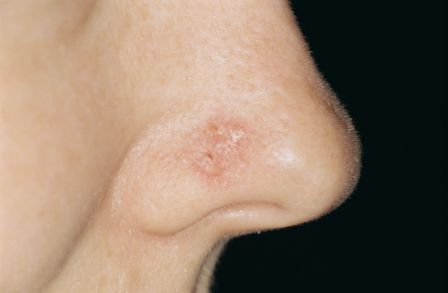
Become familiar with the look of your skin, so you pick up any changes that might suggest a skin cancer. Look for:

any crusty, non-healing sores

small lumps that are red, pale or pearly in colour

new spots, freckles or any moles changing in colour, thickness or shape over a period of weeks to months (especially those dark brown to black, red or blue-black in colour).

If you notice any changes consult your doctor.Your doctor may perform a biopsy (remove a small sample of tissue for examination under a microscope) or refer you to a specialist if he/she suspects a skin cancer.ome

Cause

Australia has one of the highest rates of skin cancer in the world. Anyone can be at risk of developing skin cancer, though the risk increases as you get older.

The majority of skin cancers in Australia are caused by exposure to UV radiation in sunlight.  

Sunburn

Sunburn causes 95% of melanomas, the most deadly form of skin cancer.

In Australia, almost 14% of adults, 24% of teenagers and 8% of children are sunburnt on an average summer weekend. Many people get sunburnt when they are taking part in water sports and activities at the beach or a pool, as well gardening or having a barbeque.

Sunburn is also common on cooler or overcast days as many people mistakenly believe UV radiation is not as strong. This is untrue – you can still be sunburnt when the temperature is cool.

Sun exposure that doesn't result in burning can still cause damage to skin cells and increase your risk of developing skin cancer. Evidence suggests that regular exposure to UV radiation year after year can also lead to skin cancer. 

Tanning

A tan is not a sign of good health or wellbeing, despite many Australians referring to a ‘healthy tan’. Almost half of Australian adults still hold the misguided belief that a tan looks healthy.

Tanning is a sign that you have been exposed to enough UV radiation (from the sun or solarium) to damage your skin. This will eventually cause loss of elasticity (wrinkles), sagging, yellowish discolouration and even brown patches to appear on your skin. Worst of all, it increases your risk of skin cancer.

A tan will offer limited protection from sunburn, but usually no more than SPF4, depending on your skin type. It does not protect from DNA damage, which can lead to skin cancer.

Some people who use fake tans mistakenly believe that a tan will provide them with protection against UV radiation. As a result, they may not take sun protection measures, putting them at greater risk of skin cancer. More information about fake tans is available in Cancer Council's position statement on fake tans.

Solariums

Solariums emit UVA and UVB radiation, both known causes of cancer. Cancer Council Australia does not recommend solarium use for cosmetic tanning under any circumstances.

More information about solariums is available in Cancer Council's position statement on solariums

Prevention

Protect your skin

For best protection, we recommend a combination of sun protection measures:

Slip on some sun-protective clothing – that covers as much skin as possible

Slop on broad spectrum, water resistant SPF30+ sunscreen. Put it on 20 minutes before you go outdoors and every two hours afterwards. Sunscreen should never be used to extend the time you spend in the sun.

Slap on a hat – that protects your face, head, neck and ears

Seek shade

Slide on some sunglasses – make sure they meet Australian Standards

Be extra cautious in the middle of the day when UV levels are most intense.

For further information please read our position statements on eye protection.

SunSmart UV alert

The SunSmart UV Alert is reported in the weather section of daily newspapers and on the Bureau of Meteorology website.

Issued by the Bureau when they forecast a UV Index for the day of three or above, the SunSmart UV Alert identifies the times during the day when sun protection will be needed.

Applying sunscreen

Apply sunscreen liberally – at least a teaspoon for each limb, front and back of the body and half a teaspoon for the face, neck and ears. Most people don’t apply enough sunscreen resulting in only 50-80% of the protection stated on the product.

Sun protection and babies

Evidence suggests that childhood sun exposure contributes significantly to your lifetime risk of skin cancer. Cancer Council Australia recommends keeping babies out of the sun as much as possible for the first 12 months.

Where this is not possible, parents and carers should minimise exposure by:

Planning the day’s activities outside the middle of the day when UV levels are most intense.

Cover as much skin as possible with loose fitting clothes and wraps made from closely woven fabrics.

Choosing a hat that protects the baby’s face, neck and ears.

Make use of available shade or create shade for the pram, stroller or play area. The material should cast a dark shadow. The baby will still need to be protected from scattered and reflected UV radiation.

Keep an eye on the baby’s clothing, hat and shade to ensure they continue to be well-protected.

Apply a broad spectrum, water resistant sunscreen to small areas of the skin that cannot be protected by clothing, such as the face, ears, neck and hands, remembering to reapply the sunscreen every two hours or more often it is wiped or washed off.

There is no evidence that using sunscreen on babies is harmful, although some babies may develop minor skin irritation. Try sunscreen milks or creams for sensitive skin which are less likely to irritate the skin. As with all products, use of any sunscreen should cease if any unusual reaction occurs.

For further information please read or position statement on sun protection and infants (0-12 months) andtinted windows.

Top

Treatment

Skin cancers are almost always removed. In more advanced skin cancers, some of the surrounding tissue may also be removed to make sure that all of the cancerous cells have been taken out.

Common skin cancers can be treated with ointments or radiation therapy. They can also be removed with surgery (usually under a local anaesthetic), cryotherapy (using liquid nitrogen to rapidly freeze the cancer off), curettage (scraping) or cautery (burning).


For more detailed information about skin cancer please phone the Cancer Council 13 11 20 or talk to your GP.

Top


for more click here

Colorectal Cancer: Causes, Symptoms and Treatments

Colorectal Cancer: Causes, Symptoms and Treatments


Colorectal cancer, also known as bowel cancer, colon cancer or rectal cancer, is any cancer (a growth, lump, tumor) of the colon and the rectum. The World Health Organization and CDC say it is the second most common cancer worldwide, after lung cancer.


The American Cancer Society suggests that about 1 in 20 people in the US will develop colorectal cancer during their lifetime, with the risk being slightly higher for men than for women. Due to advances in screening techniques and improvements in treatments, the death rate from colorectal cancer has been dropping for over 20 years.


A colorectal cancer may be benign or malignant. Benign means the tumor will not spread, while a malignant tumor consists of cells that can spread to other parts of the body and damage them.


The colon and rectumAnatomy of the large intestine

The large intestine is also called the colon or large bowel.

The colon and rectum belong to our body's digestive system - together they are also known as the large bowel.


The colon reabsorbs large quantities of water and nutrients from undigested food products as they pass along it.


The rectum is at the end of the colon and stores feces (stools, waste material) before being expelled from the body.


Colon Cancer  Causes, Symptoms, Diagnosis, Treatments And Side Effects (1)


Symptoms of colorectal cancer

Going to the toilet more often.

Diarrhea.

Constipation.

A feeling that the bowel does not empty properly after a bowel movement.

Blood in feces (stools).

Pains in the abdomen.

Bloating in the abdomen.

A feeling of fullness in the abdomen (maybe even after not eating for a while).

Vomiting.

Fatigue (tiredness).

Inexplicable weight loss.

A lump in the tummy or a lump in the back passage felt by your doctor.

Unexplained iron deficiency in men, or in women after the menopause.

As most of these symptoms may also indicate other possible conditions, it is important that the patient sees a doctor for a proper diagnosis. Anybody who experiences some of these symptoms for four weeks should see their doctor.


Causes of colorectal cancer

Experts say we are not completely sure why colorectal cancer develops in some people and not in others. However, several risk factors have been identified over the years - a risk factor is something which may increase a person's chances of developing a disease or condition.


The possible risk factors for colorectal factors are:


Being elderly - the older you are the higher the risk is.

A diet that is very high in animal protein.

A diet that is very high in saturated fats.

A diet that is very low in dietary fiber.

A diet that is very high in calories.

A diet that is very high in alcohol consumption.

Women who have had breast, ovary and uterus cancers.

A family history of colorectal cancer.

Patients with ulcerative colitis.

Being overweight/obese.

Smoking. This study found that smoking is significantly associated with an increased risk for colorectal cancer and death.

Being physically inactive.

Presence of polyps in the colon/rectum. Untreated polyps may eventually become cancerous.

Having Crohn's disease or Irritable Bowel Disease have a higher risk of developing colorectal cancer.

Most colon cancers develop within polyps (adenoma). These are often found inside the bowel wall.


[embed]https://www.youtube.com/watch?v=a5zUw6bHQ7o[/embed]


for more click here

Lymphoma: Causes, Symptoms and Treatments

Lymphoma: Causes, Symptoms and Treatments


Lymphoma is a form of cancer that affects the immune system - specifically, it is a cancer of immune cells called lymphocytes, a type of white blood cell. There are two broad types of lymphoma and many subtypes.

The two types of lymphoma are described as: Hodgkin's or non-Hodgkin's.

Lymphoma can occur at any age but is the most common cancer in young people. It is often very treatable, and most people live for a long time after being diagnosed.

Use this page for comprehensive and easy-to-follow information about lymphoma - both non-Hodgkin's and Hodgkin's lymphoma. 


What is lymphoma?

Lymphoma is cancer of the lymph system (or lymphatic system), which is part of our immunity. It is characterized by the formation of solid tumors in the immune system.1 The cancer affects immune cells called lymphocytes, which are white blood cells.


Statistics from the US National Cancer Institute estimate that there are nearly 20 cases of non-Hodgkin's lymphoma for every 100,000 people in the American population.2


Hodgkin's lymphoma, meanwhile, is relatively rare, with around three cases in every 100,000 people.3


About 90% of lymphomas are the non-Hodgkin's type while about 10% are Hodgkin's.1


Cancer is a group of over 100 diseases, all of which start with the growth of abnormal cells. Instead of dying in the normal cell life cycle, cancerous cells continue to divide into new abnormal cells, and grow out of control.4


Lymphatic cancers are classified by the type of immune cells affected.


In non-Hodgkin's lymphoma, B-cells and T-cells are affected - both being types of lymphocyte white blood cell with special roles in immunity. In the US, B-cell lymphomas are much more common than T-cell ones.5


In Hodgkin's lymphoma, the cancer cells are usually an abnormal type of B lymphocyte, named Reed-Sternberg cells. There are many subtypes of Hodgkin's lymphoma, typed by differences seen under the microscope - but a very high percentage of cases are classed as "classic" Hodgkin's.6


The short YouTube video below, produced by the American Society of Hematology, shows how lymphoma develops.


Types of lymphoma

There are many different types of lymphoma depending on the type of lymphatic cells affected.


Hodgkin's lymphoma can occur at any age, affects more men that women and the majority will be completely cured.


Hodgkin's lymphoma is diagnosed when a special type of cell, the Reed-Sternberg cell, is seen under the microscope.5


Non-Hodgkin's lymphoma accounts for all the other types of lymphoma. These can be high grade or low grade and the treatment and prognosis varies.6


What causes lymphoma?

For most cancers, researchers are still trying to understand how they are caused. The same is true for lymphoma - doctors do not know what causes it, although it is more likely to occur in certain people.5,7,8


Medical researchers have identified certain risk factors that make lymphoma more likely, although they often do not understand why:5,8


Non-Hodgkin's lymphoma


Age - most non-Hodgkin lymphomas are in people 60 years of age and over

Sex - there are different rates of different types of non-Hodgkin's lymphoma across the sexes

Ethnicity and location - in the US, African-Americans and Asian-Americans are less prone than white Americans, and the disease is more common in developed nations of the world

Chemicals and radiation - some chemicals used in agriculture have been linked, as has nuclear radiation exposure

Immune deficiency - for example, caused by HIV infection or in organ transplantation

Autoimmune disease, in which the immune system attacks the body's own cells

Infection - certain viral and bacterial infections increase the risk. The Helicobacter Infection has been implicated, as has the Epstein Barr Virus (the virus that causes glandular fever)13

See the American Cancer Society's page for more detail on risk factors for non-Hodgkin's lymphoma.


تنزيل (1)


Hodgkin's lymphoma


Infectious mononucleosis - infection with Epstein-Barr virus

Age - two specific groups are most affected: typically people in their 20s, and people over the age of 55 years

Sex - slightly more common in men

Location - most common in the US, Canada and northern Europe; least common in Asia

Family - if a sibling has the condition, the risk is slightly higher, and very high if there is an identical twin

Affluence - people from higher socioeconomic status are at greater risk

HIV infection

See the American Cancer Society's page for more detail on risk factors for Hodgkin's lymphoma.

Recent developments on causes of lymphoma

Poorly controlled celiac disease could increase lymphoma risk

Research published in the Annals of Internal Medicine found that certain patients with celiac disease were at higher risk of lymphoma.

Gut bacteria linked to lymphoma

Research published in The Journal of Cancer Research found links in a study of mice between certain make-ups of gut bacteria and lymphoma survival rates, opening up the possibility of preventive measures.


On the next page we look at the signs and symptoms of lymphoma and the available tests to diagnose it. On the final page we take a look at the available treatments for lymphoma


[embed]https://www.youtube.com/watch?v=OaljadXGu-8[/embed]


for more click here


Pancreatic Cancer: Causes, Symptoms and Treatments

Pancreatic Cancer: Causes, Symptoms and Treatments


Cancer is a class of diseases characterized by out-of-control cell growth, and pancreatic cancer occurs when this uncontrolled cell growth begins in the pancreas.


Rather than developing into healthy, normal pancreas tissue, these abnormal cells continue dividing and form lumps or masses of tissue called tumors. Tumors then interfere with the main functions of the pancreas. If a tumor stays in one spot and demonstrates limited growth, it is generally considered to be benign. 


More dangerous, or malignant, tumors form when the cancer cells migrate to other parts of the body through the blood or lymphatic systems. When a tumor successfully spreads to other parts of the body and grows, invading and destroying other healthy tissues, it is said to have metastasized. This process itself is called metastasis, and the result is a more serious condition that is very difficult to treat. 


In the United States each year, over 30,000 people are diagnosed with pancreatic cancer. Europe sees more than 60,000 diagnoses each year. Because pancreatic cancer is usually diagnosed late into its development, the five-year survival rate after diagnosis is less than 5%.


What Is The Pancreas?


Location of the pancreas - diagram

The pancreas is a 6-inch long organ located behind the stomach in the back of the abdomen. It is spongy and shaped somewhat like a fish, extended horizontally across the abdomen. The head of the pancreas is on the right side of the abdomen where the stomach is attached to the first part of the small intestine (the duodenum). The tail of the pancreas - its narrowest part - extends to the left side of the abdomen next to the spleen.


The pancreas contains exocrine and endocrine glands that create pancreatic juices, hormones, and insulin. Pancreatic juices, or enzymes, made by the exocrine glands are released into the intestines by way of a series of ducts in order to help digest fat, proteins, and carbohydrates. Over 95% of the pancreas is made up of exocrine glands and ducts. The endocrine cells are arranged in small clusters called islets of Langerhans, which release insulin and glucagon into the bloodstream. These two hormones manage levels of sugar in the blood. When they are not working properly, the result is often diabetes.


More information on the pancreas itself is available in our article What Is The Pancreas? What Does The Pancreas Do?


How Is Pancreatic Cancer Classified?


Pancreatic cancer is categorized depending on whether it affects the exocrine or endocrine functions of the pancreas. There is an important distinction between the two broad types of pancreatic cancer because they have different risk factors, causes, symptoms, diagnostic tests, treatments, and prognoses.


CT scan of pancreas

A CT scan of the pancreas.

Tumors that affect the exocrine functions are the most common type of pancreatic cancer. Sometimes these tumors or cysts are benign, called cystadenomas. However, it is more likely to find malignant tumors called adenocarcinomas, which account for 95% of exocrine pancreatic cancers. Adenocarcinomas typically start in gland cells in the ducts of the pancreas, but they can also arise from pancreatic enzyme cells (acinar cell carcinoma).


Other types of pancreatic cancers that are associated with exocrine functions include adenosquamous carcinomas, squamous cell carcinomas, and giant cell carcinomas, named for their appearances underneath a microscope. There is also a disease called ampullary cancer (carcinoma of the ampulla of Vater) that starts where the bile duct and pancreatic duct meet the duodenum of the small intestine.


Tumors that affect the endocrine functions of the pancreas are called neuroendocrine or islet cell tumors, but these are fairly uncommon. These tumors are named for the type of hormone-producing cell that is initially affected. For example: insulinomas (insulin), glucagonomas (glucagon), gastrinomas (gastrin), somatostatinomas (somatostatin), and  VIPomas (vasoactive intestinal peptide or VIP). Functioning islet cell tumors still make hormones, while non-functioning ones do not. Most of these tumors are benign, but non-functioning tumors are more likely to be malignant, islet cell carcinomas.


What Causes Pancreatic Cancer?


Cancer is ultimately the result of cells that uncontrollably grow and do not die. Normal cells in the body follow an orderly path of growth, division, and death. Programmed cell death is called apoptosis, and when this process breaks down, cancer results. Pancreatic cancer cells do not experience programmatic death, but instead continue to grow and divide. Although scientists do not know exactly what causes these cells to behave this way, they have identified several potential risk factors.


Genes - The DNA Type


Cells can experience uncontrolled growth if there is damage or mutations in the DNA, and therefore, damage to the genes involved in cell division. Four key types of genes are responsible for the cell division process: oncogenes tell cells when to divide, tumor suppressor genes tell cells when not to divide, suicide genes control apoptosis and tell cells to kill themselves if something goes wrong, and DNA-repair genes instruct cells to repair damaged DNA.


Cancer occurs when a cell's gene mutations make the cell unable to correct DNA damage and unable to commit suicide. Similarly, cancer is a result of mutations that inhibit oncogene and tumor suppressor gene functions, leading to uncontrollable cell growth. If you have DNA mutations of oncogenes or tumor suppressor genes that lead to pancreatic cancer, it is likely that the mutation was a result of factors that affected DNA after you were born rather than a result of inheritance from parents.


Genes - The Family Type


Cancer can be the result of a genetic predisposition that is inherited from family members. It is possible to be born with certain genetic mutations or a fault in a gene that makes one statistically more likely to develop cancer later in life. About 10% of pancreatic cancers are though to be caused by inherited gene mutations. Genetic syndromes that are associated with pancreatic cancer include hereditary breast and ovarian cancer syndrome, melanoma, pancreatitis, and non-polyposis colorectal cancer (Lynch syndrome).


Carcinogens


Carcinogens are a class of substances that are directly responsible for damaging DNA, promoting or aiding cancer. Certain pesticides, dyes, and chemicals used in metal refining are thought to be carcinogenic, increasing the risk of developing pancreatic cancer. When our bodies are exposed to carcinogens, free radicals are formed that try to steal electrons from other molecules in the body. Theses free radicals damage cells, affecting their ability to function normally, and the result can be cancerous growths.


Other Medical Factors


As we age, there is an increase in the number of possible cancer-causing mutations in our DNA. This makes age an important risk factor for pancreatic cancer, especially for those over the age of 60. There are several other diseases that have been associated with an increased risk of cancer of the pancreas.


These include cirrhosis or scarring of the liver, helicobacter pylori infection (infection of the stomach with the ulcer-causing bacteria H. pylori), diabetes mellitus, chronic pancreatitis (inflammation of the pancreas), and gingivitis or periodontal disease.


Traits, Habits, And Diet


Pancreatic cancers are more likely to exist in men than in women, and among African-Americans than among whites. Smoking cigarettes increases one's risk of pancreatic cancer by a factor of 2 or 3. Even smokeless tobacco has been noted as a risk factor.


تنزيل


Diet and obesity have also been linked to cancers of the pancreas. People who do not exercise much and who are obese are more likely to develop pancreatic cancer. In addition, those who eat diets low in vegetables and fruits and high in red meat and fat are more likely to be diagnosed with the disease. Alcohol consumption is also considered a risk factor for pancreatic cancer. Long term, heavy drinking leads to chronic pancreatitis, which is a known risk factor for pancreatic cancer.


What Are The Symptoms Of Pancreatic Cancer?


Cancer symptoms are quite varied and depend on where the cancer is located, where it has spread, and how big the tumor is. Pancreatic cancer is often called a "silent" disease because it rarely shows early symptoms and presents non-specific later symptoms. Tumors of the pancreas cancers are usually too small to cause symptoms. However, when the cancer grows, symptoms include:


man holding his stomach

Pain in the upper abdomen from the tumor pushing against nerves

A painless yellowing of the skin and eyes and darkening of the urine called jaundice, created when the cancer interferes with the bile duct and the liver.

Loss of appetite, nausea, and vomiting

Significant weight loss and weakness

Acholic stool (pale or grey stool) and steatorrhea (excess fat in stool)

These symptoms of pancreatic cancer have numerous other causes, making it difficult to diagnose the disease before it is in an advanced stage.


Cancers of the pancreas are also associated with Trousseau's sign - spontaneous blood clots formed in the portal blood vessels, deep veins of the arms and legs, or other superficial veins. Clinical depression is another symptom that is sometimes reported before the cancer is diagnosed.


If the cancer spreads, or metastasizes, additional symptoms can present themselves in the newly affected area. Symptoms of metastasis ultimately depend on the location to which the cancer has spread.


Islet cell or neuroendocrine cancers of the pancreas may cause the organ to produce too much insulin or hormones. This may lead to weak or dizzy feelings, chills, muscle spasms, or diarrhea.


On the next page we look at how pancreatic cancer is diagnosed and the available treatments for pancreatic cancer.


[embed]https://www.youtube.com/watch?v=w7Nq9uQJOXE[/embed]

for more click here


Cancer: Facts, Causes, Symptoms and Research 2016

Cancer: Facts, Causes, Symptoms and Research 2016


Cancer is a class of diseases characterized by out-of-control cell growth. There are over 100 different types of cancer, and each is classified by the type of cell that is initially affected.


Cancer harms the body when altered cells divide uncontrollably to form lumps or masses of tissue called tumors (except in the case of leukemia where cancer prohibits normal blood function by abnormal cell division in the blood stream). Tumors can grow and interfere with the digestive, nervous, and circulatory systems, and they can release hormones that alter body function. Tumors that stay in one spot and demonstrate limited growth are generally considered to be benign.


More dangerous, or malignant, tumors form when two things occur:


a cancerous cell manages to move throughout the body using the blood or lymphatic systems, destroying healthy tissue in a process called invasion

that cell manages to divide and grow, making new blood vessels to feed itself in a process called angiogenesis.

When a tumor successfully spreads to other parts of the body and grows, invading and destroying other healthy tissues, it is said to have metastasized. This process itself is called metastasis, and the result is a serious condition that is very difficult to treat.


what-is-cancer


According to the American Cancer Society, Cancer is the second most common cause of death in the US and accounts for nearly 1 of every 4 deaths. The World Health Organisation estimates that, worldwide, there were 4 million new cancer cases and 8.2 million cancer-related deaths in 2012 (their most recent data)..


Latest cancer research


We are a leading publisher of worldwide cancer news and research. You can find all our latest news in our cancer news section. Our recent cancer developments include:

'Smart biogel' that kills cancer tumors in development

A new study describes how scientists are developing an intelligent biogel that delivers anti-cancer agents directly into tumors. Lab tests show the biogel performs well against tumor cells.

Lab-enhanced natural killer cells eliminate cancer in lymph nodes

Using nanotechnology, biomedical engineers have developed a way to enhance natural killer cells in the immune system so they can more effectively seek out and destroy cancer cells in lymph nodes.

The rest of this article will focus on what cancer is, what causes cancer, the symptoms, diagnosis and available treatments.


Fast facts on cancer

Here are some key points about cancer. More detail and supporting information is in the main article.

More than 575,000 people die of cancer, and more than 1.5 million people are diagnosed with cancer per year in the US.

Cancer is considered to be one of the leading causes of morbidity and mortality worldwide.

The financial costs of cancer in the US per year are an estimated $263.8 billion in medical costs and lost productivity.

African Americans are more likely to die of cancer than people of any other race or ethnicity.

It is believed that cancer risk can be reduced by avoiding tobacco, limiting alcohol intake, limiting UV ray exposure from the sun and tanning beds and maintaining a healthy diet, level of fitness and seeking regular medical care.

Screening can locate cervical cancer, colorectal cancer and breast cancer at an early, treatable stage.

Vaccines such as the human papillomavirus (HPV) vaccine assists in preventing some cervical, vaginal, vulvar, and oral cancers. A vaccine for hepatitis B can reduce liver cancer risk.

According to the World Health Organization (WHO), the numbers of new cancer cases is expected to rise by about 70% over the next 20 years.

The most common sites of cancer among men are lung, prostate, colon, rectum, stomach and liver.

The most common sites of cancer among women are breast, colon, rectum, lung, cervix and stomach.

How cancer spreads


Nurse holding up board with 'cancer' written on

Scientists reported in Nature Communications (October 2012 issue) that they have discovered an important clue as to why cancer cells spread. It has something to do with their adhesion (stickiness) properties. Certain molecular interactions between cells and the scaffolding that holds them in place (extracellular matrix) cause them to become unstuck at the original tumor site, they become dislodged, move on and then reattach themselves at a new site.


The researchers say this discovery is important because cancer mortality is mainly due to metastatic tumors, those that grow from cells that have traveled from their original site to another part of the body. These are called secondary tumors. Only 10% of cancer deaths are caused by the primary tumors.


The scientists, from the Massachusetts Institute of Technology, say that finding a way to stop cancer cells from sticking to new sites could interfere with metastatic disease, and halt the growth of secondary tumors.


Malignant cells are more agile than non-malignant ones


Scientists from the Physical Sciences-Oncology Centers, USA, reported in the journal Scientific Reports (April 2013 issue) that malignant cells are much “nimbler” than non-malignant ones. Malignant cells can pass more easily through smaller gaps, as well as applying a much greater force on their environment compared to other cells.


Professor Robert Austin and team created a new catalogue of the physical and chemical features of cancerous cells with over 100 scientists from 20 different centers across the United States.


The authors believe their catalogue will help oncologists detect cancerous cells in patients early on, thus preventing the spread of the disease to other parts of the body.


Prof. Austin said "By bringing together different types of experimental expertise to systematically compare metastatic and non-metastatic cells, we have advanced our knowledge of how metastasis occurs."


Causes of cancer


Cancer is ultimately the result of cells that uncontrollably grow and do not die. Normal cells in the body follow an orderly path of growth, division, and death. Programmed cell death is called apoptosis, and when this process breaks down, cancer begins to form. Unlike regular cells, cancer cells do not experience programmatic death and instead continue to grow and divide. This leads to a mass of abnormal cells that grows out of control.


[embed]https://www.youtube.com/watch?v=z1fh4FQs1p4[/embed]

Sunday, January 17, 2016

Prostate Cancer: Symptoms and Causes

Prostate Cancer: Symptoms and Causes


Signs and symptoms of prostate cancer


During the early stages of prostate cancer there are usually no symptoms. Most men at this stage find out they have prostate cancer after a routine check up or blood test. When symptoms do exist, they are usually one or more of the following:


The patient urinates more often

The patient gets up at night more often to urinate

He may find it hard to start urinating

He may find it hard to keep urinating once he has started

There may be blood in the urine

Urination might be painful

Ejaculation may be painful (less common)

Achieving or maintaining an erection may be difficult (less common).

If the prostate cancer is advanced the following symptoms are also possible:


Bone pain, often in the spine (vertebrae), pelvis, or ribs

The proximal part of the femur can be painful

Leg weakness (if cancer has spread to the spine and compressed the spinal cord)

Urinary incontinence (if cancer has spread to the spine and compressed the spinal cord)

Fecal incontinence (if cancer has spread to the spine and compressed the spinal cord).

Causes of prostate cancer

Nobody is really sure of what the specific causes are. There are so many possible factors, including age, race, lifestyle, medications, and genetics, to name a few.


1) Age


Age is considered as the primary risk factor. The older a man is, the higher is his risk. Prostate cancer is rare among men under the age of 45, but much more common after the age of 50.


2) Genetics


Statistics indicate that genetics is definitely a factor in prostate cancer risk. It is more common among certain racial groups - in the USA prostate cancer is significantly more common and also more deadly among Afro-Americans than White-Americans. A man has a much higher risk of developing cancer if his identical twin has it. A man whose brother or father had/had prostate cancer runs twice the risk of developing it, compared to other men.


Studies indicate that the two faulty genes - BRCA 1 and BRCA 2 - which are important risk factors for breast cancer and ovarian cancer, have also been implicated in prostate cancer risk.


In a study scientists found seven new sites in the human genome that are linked to men's risk of developing prostate cancer.


Faulty BRCA2 gene linked to aggressive form of prostate cancer - researchers at the The Institute of Cancer Research, UK, reported in the Journal of Clinical Oncology (April 2013 issue) that men who have inherited the faulty BRCA2 gene are more likely to have the faster-spreading type of prostate cancer. The scientists say these men should receive treatment immediately after diagnosis with surgery or radiation therapy, rather than receive the "watchful waiting" approach.


Senior author Ros Eeles wrote that experts have already known that those with the faulty BRCA2 gene have a higher risk of developing prostate cancer. This is the first large study to demonstrate that the faulty gene is also linked to a faster spread of the disease and poorer survival.


This new discovery will make some health authorities around the world rethink their policies and procedures. In the United Kingdom, the National Health Service offers the same prostate cancer treatment for both carriers and non-carriers of the faulty BRCA2 gene.


Prof. Eeles said "It must make sense to start offering affected men immediate surgery or radiotherapy, even for early-stage cases that would otherwise be classified as low-risk. We won't be able to tell for certain that earlier treatment can benefit men with inherited cancer genes until we've tested it in a clinical trial, but the hope is that our study will ultimately save lives by directing treatment at those who most need it."


3) Diet


fruits and vegetables

A review of diets indicated that the Mediterranean diet may reduce a person's chances of developing prostate cancer. Another study indicates that soy, selenium and green tea, offer additional possibilities for disease prevention - however, a more recent study indicated that combination therapy of vitamin E, selenium and soy does not prevent the progression from high-grade prostatic intraepithelial neoplasia (HGPIN) to prostate cancer. A diet high in vegetable consumption was found in a study to be beneficial.


A US pilot study on men with low risk prostate cancer found that following an intensive healthy diet and lifestyle regime focusing on low meat and high vegetable and fruit intake, regular exercise, yoga stretching, meditation and support group participation, can alter the way that genes behave and change the progress of cancer, for instance by switching on tumor killers and turning down tumor promoters.


Other studies have indicated that lack of vitamin D, a diet high in red meat may raise a person's chances of developing prostate cancer.


A study published in the journal Clinical Cancer Research suggests vitamin D deficiency may predict aggressive prostate cancer.


4) Medication


Some studies say there might be a link between the daily use of anti-inflammatory medicines and prostate cancer risk. A study found that statins, which are used to lower cholesterol levels, may lower a person's risk of developing prostate cancer.


5) Obesity


A study found a clear link between obesity and raised prostate cancer risk, as well as a higher risk of metastasis and death among obese people who develop prostate cancer.


6) Sexually transmitted diseases (STDs)


Men who have had gonorrhea have a higher chance of developing prostate cancer, according to research from the University of Michigan Health System.


7) Agent Orange


Veterans exposed to Agent Orange have a 48% higher risk of prostate cancer recurrence following surgery than their unexposed peers, and when the disease comes back, it seems more aggressive, researchers say. Another study found that Vietnam War veterans who had been exposed to Agent Orange have significantly increased risks of prostate cancer and even greater risks of getting the most aggressive form of the disease as compared to those who were not exposed.


8) Enzyme PRSS3 linked to aggressive prostate cancer


Scientists from the Mayo Clinic, Florida, reported in Molecular Cancer Research that PRSS3, an enzyme, changes the environment of prostate cancer cells, making the cancer much more likely to metastasize.


Senior researcher, Evette Radisky, Ph.D., said "This molecule is a protease, which means it digests other molecules. Our data suggests PRSS3 activity changes the environment around prostate cancer cells - perhaps by freeing them from surrounding tissue - to promote malignancy and invasiveness. I don't think PRSS3 is the only factor involved in driving aggressive prostate cancer, but it may be significant for a certain subset of this cancer - the kind that is potentially lethal."


Recent developments on prostate cancer causes from MNT news

Chronic prostate inflammation tied to nearly double risk of prostate cancer

A study reported in the journal Cancer Epidemiology, Biomarkers & Prevention, finds that compared to men with no such signs, men with chronic inflammation in non-cancerous prostate tissue may have nearly double the risk of developing prostate cancer.

Vasectomy linked with aggressive prostate cancer risk

In the largest and most comprehensive study of its kind, researchers from Harvard School of Public Health in Boston, MA, find that vasectomy is associated with a small increased risk of prostate cancer, and a larger increased risk for advanced or lethal prostate cancer.

Prostate cancer: high cholesterol, triglyceride levels may raise risk of recurrence

Among men who have surgery for prostate cancer, those who have high total cholesterol and triglyceride levels - two types of fat found in blood - may be at increased risk of disease recurrence. This is according to a study published in the journal Cancer Epidemiology, Biomarkers & Prevention.


Western diet could be fatal for prostate cancer patients

A new study has suggested that following a Western diet - high in red and processed meats, refined grains and high-fat dairy products - could increase the risk of death for people with prostate cancer from both prostate cancer and all causes.


[embed]https://www.youtube.com/watch?v=RYVTzZUMhNo[/embed]

for more click here